


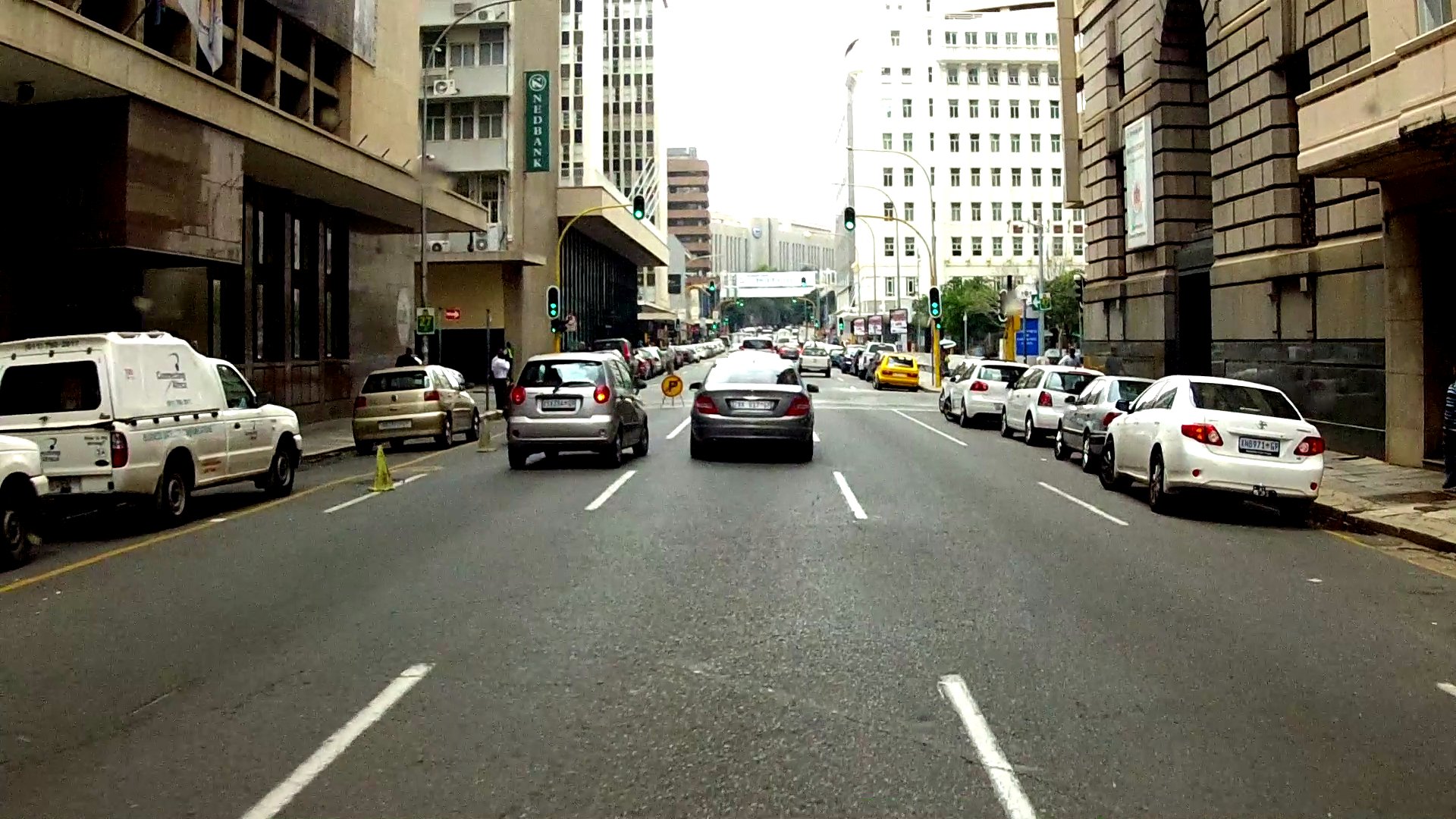
Defensive driving is a set of skills not taught at licence level. These skills greatly improve drivers' ability to combat traffic dangers when driving beyond the capabilities of the human perception system (ie. above about 30km/h).
Drivers who drive defensively have fewer crashes, and less-severe crashes. They also have lower fuel and maintenance costs, and fewer telematics violations.
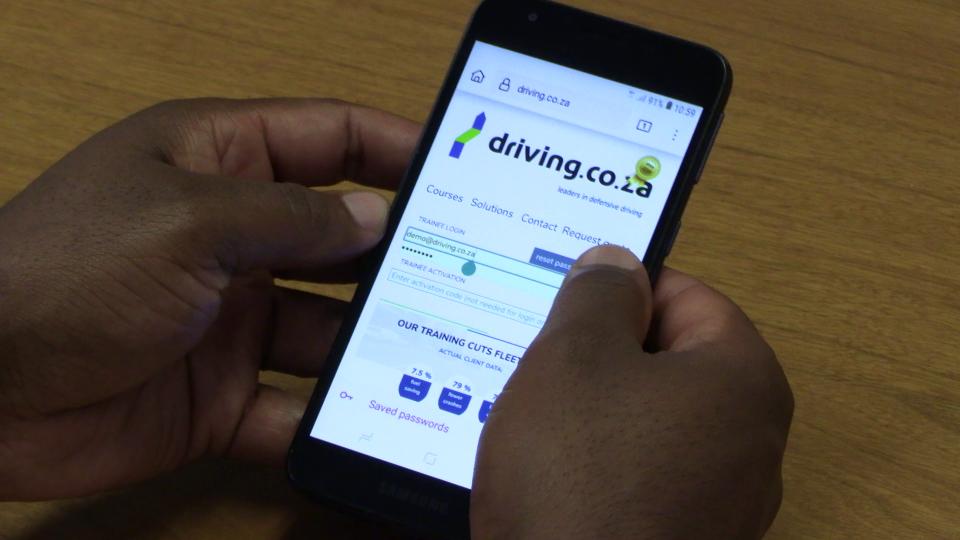
Our trainees are licensed drivers who don't need a trainer to teach them how to brake or steer. What they need are new thinking skills; we've proven these can be taught online.
Driving.co.za pioneered online training in South Africa in 2013. It was so successful that in 2021, we phased out in-person training altogether. Online is cheaper, more convenient, and works better.
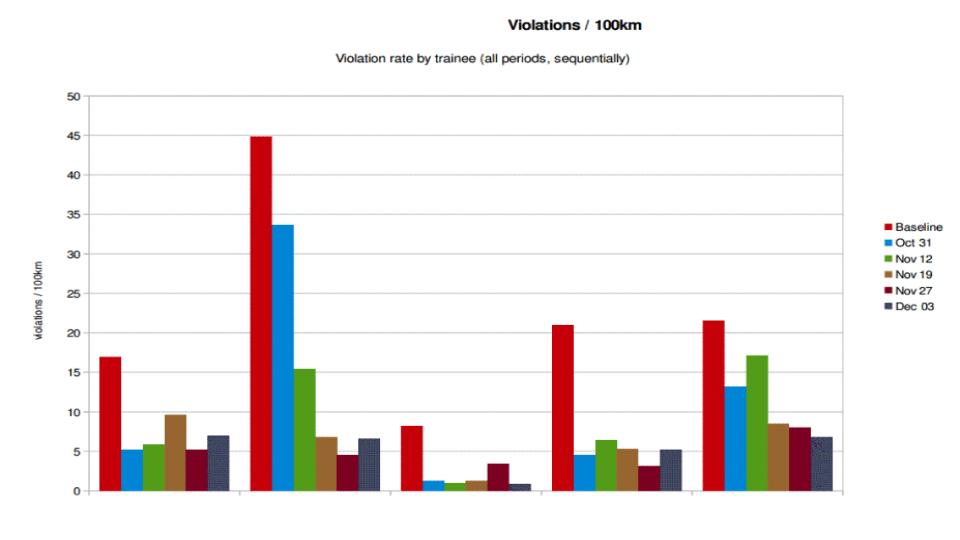
Driving.co.za's Defensive Driving Course has a proven track record in changing driver behaviour. We are the only provider with insurance company data showing crash reductions exceeding 60% after training.
The return on our investment from our training has run into thousands of percent in some cases. One client recovered their training costs inside six months from fuel savings alone.


Companies often approach us wanting 'advanced' driver training (skidpan, racetrack, gravel road, 4x4 courses, etc.).
But research shows that 'advanced' driver training leads to driver overconfidence which greatly increases crash risk. As such, it's no longer international best practice, with the emphasis now on preventing emergencies.
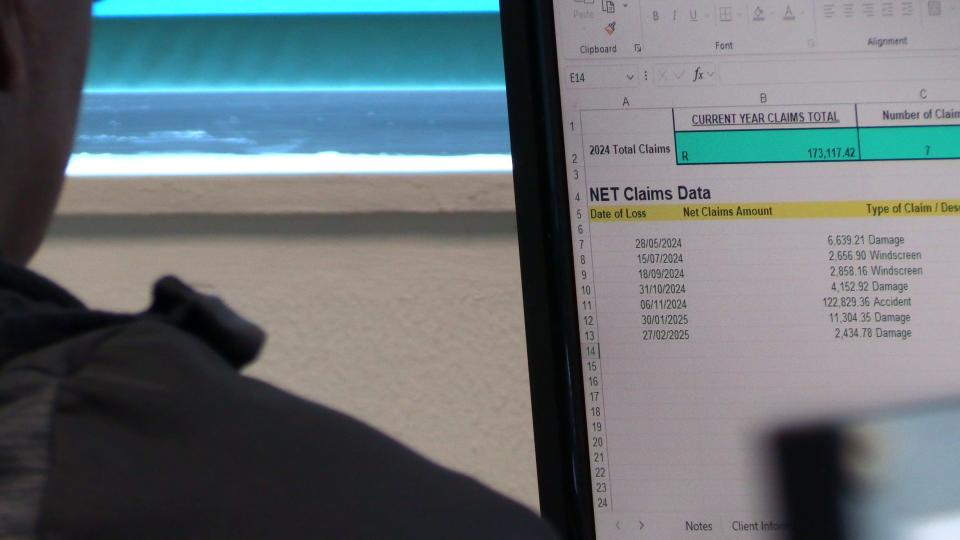
Planning complex in-person training projects is a headache. Just when you think you've got it all figured out, some new hiccup runs your project plan into the ditch.
With driving.co.za, not only is planning your project a breeze, but we have unique online reporting tools to track trainee progress minute-by-minute until completion.
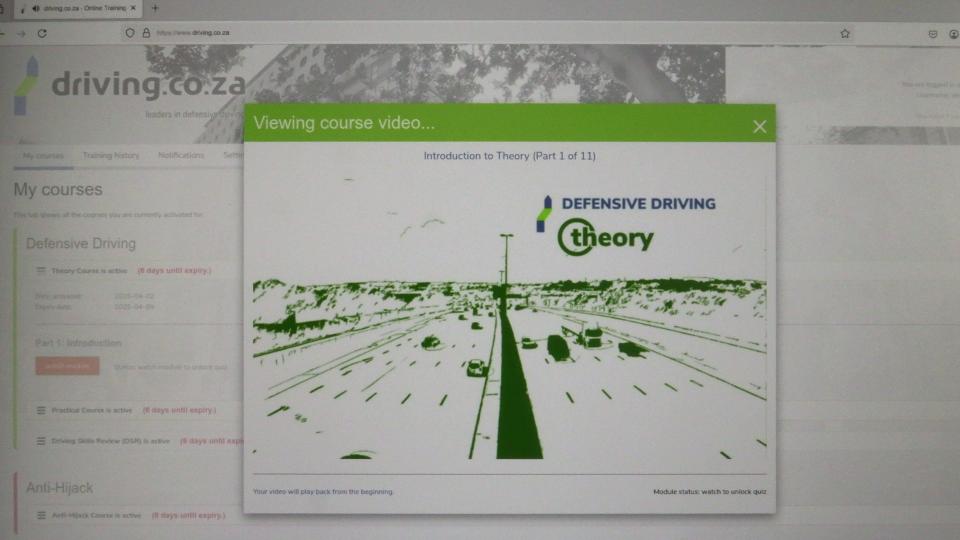
In early 2025, Stucky Motors needed to train nearly 200 drivers spread across 13 branches. It was an insurance requirement, so it had to happen quickly.
Thanks to driving.co.za's online platform, all of Stucky's trainees completed the course in just three months. In-person training would have taken twice as long and cost three times more.